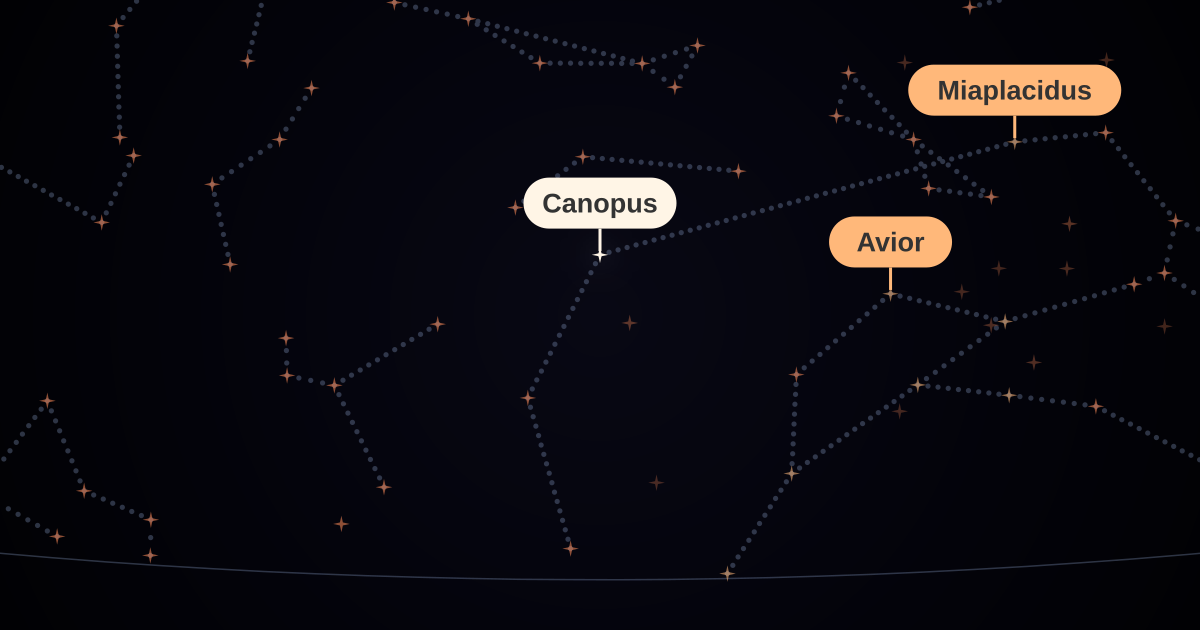
The best dark-sky places in New Zealand and Australia
Published
The southern sky has things the north never sees. The center of the Milky Way passes overhead in the winter months. The Large and Small Magellanic Clouds, 2 small galaxies near our own, look like pieces of cloud that do not move.
About this list
New Zealand and Australia have some of the darkest certified places in the world. DarkSky International names dark-sky reserves, sanctuaries and parks. A certified place controls its lights and protects its sky, to keep it dark. A sanctuary is a very remote place, often one of the darkest in the world.
Each linked name opens the live sky map at that place. It shows the sky there now.
New Zealand
- Aoraki / Mount Cook National Park, South Island. The heart of the Aoraki Mackenzie Dark Sky Reserve. In 2012 it became the first dark-sky reserve in the southern half of the world. The reserve includes Lake Tekapo and the Mount John observatory.
- Great Barrier Island, near Auckland. Aotea, its Māori name, became the first island dark-sky sanctuary in the world in 2017. It has no mains power grid, so there are almost no outdoor lights.
- Stewart Island/Rakiura, the far south. A dark-sky sanctuary since 2019. It is far enough south that you can sometimes see the southern lights.
- Kaikōura Dark Sky Sanctuary, South Island. In 2024 it became the third dark-sky sanctuary in New Zealand, on the east coast of the South Island.
Australia
- Warrumbungle National Park, New South Wales. In 2016 it became the first dark-sky park in Australia. It is next to Siding Spring Observatory, home of the largest optical telescope in the country.
- Arkaroola Wilderness Sanctuary, South Australia. Since 2023 a DarkSky sanctuary, in the north of the Flinders Ranges. It is not on our map yet.
Before you go
- Pick a night near the new Moon. A bright Moon hides the faint stars.
- Check the weather. A dark place does not help under clouds.
- For the center of the Milky Way, go between about June and August. Then it is high in the evening.
- Give your eyes 20 to 30 minutes in the dark, and use a red light.
For places near you, see all stargazing places by country.
 Name every star. Chart your photos. Never miss a meteor shower.Get Beltari for iPhone
More sky guides
The best dark-sky places in the United States
9 certified dark-sky places in the United States to see the Milky Way, from the deserts of the Southwest to the forests of Pennsylvania.
The best dark-sky places in Europe
12 dark-sky places in Europe to see the Milky Way: dark-sky parks and reserves from Ireland to the Carpathians, the Canary Islands and the Arctic.
Mars at opposition 2027: the red planet in Leo
Mars reaches opposition on February 19, 2027, in Leo. It is a far opposition, so Mars looks small, but it is still brighter than almost every star. Here is when and how to see it.