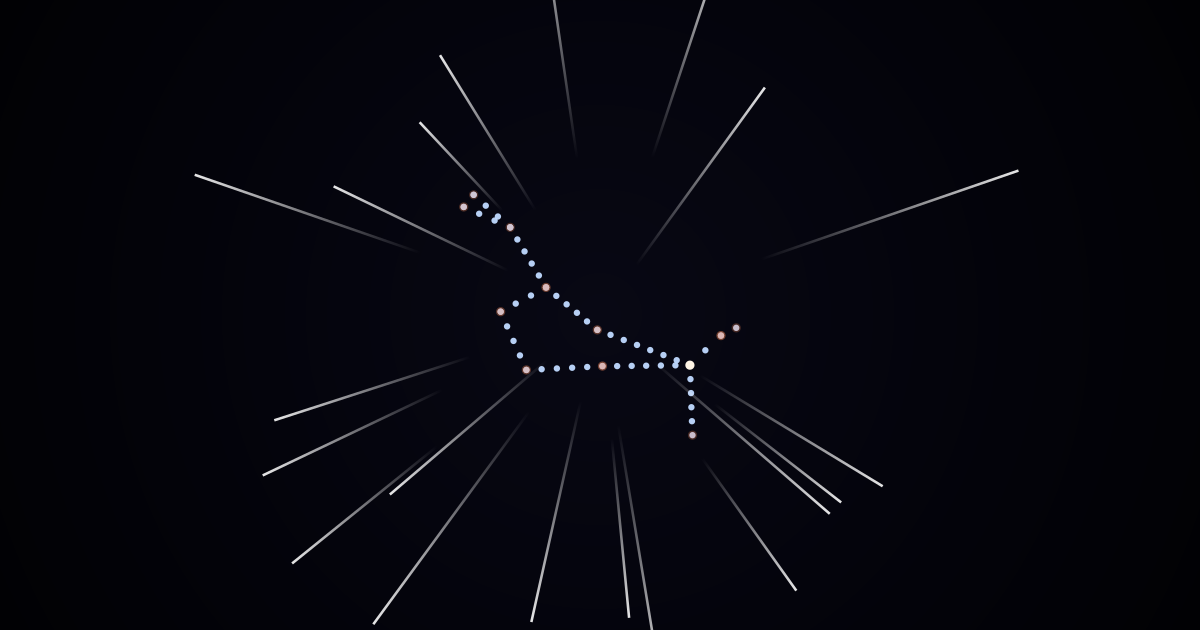
Quadrantids 2027: the short, strong meteor shower of January
The Quadrantids peak on January 4, 2027, at about 03:20 UTC. The peak is short, and the Moon is a thin crescent. Who gets the best view, and when to look.
The Quadrantids peak on January 4, 2027, at about 03:20 UTC. The peak is short, and the Moon is a thin crescent. Who gets the best view, and when to look.
The full Moon of December 24, 2026 is the closest of the year, 356,738 km away. It looks a little bigger and brighter than usual. When to see it rise.
Uranus reaches opposition on November 25, 2026, near the Pleiades. A full Moon is close that week, so early December is best. How to find it in binoculars.
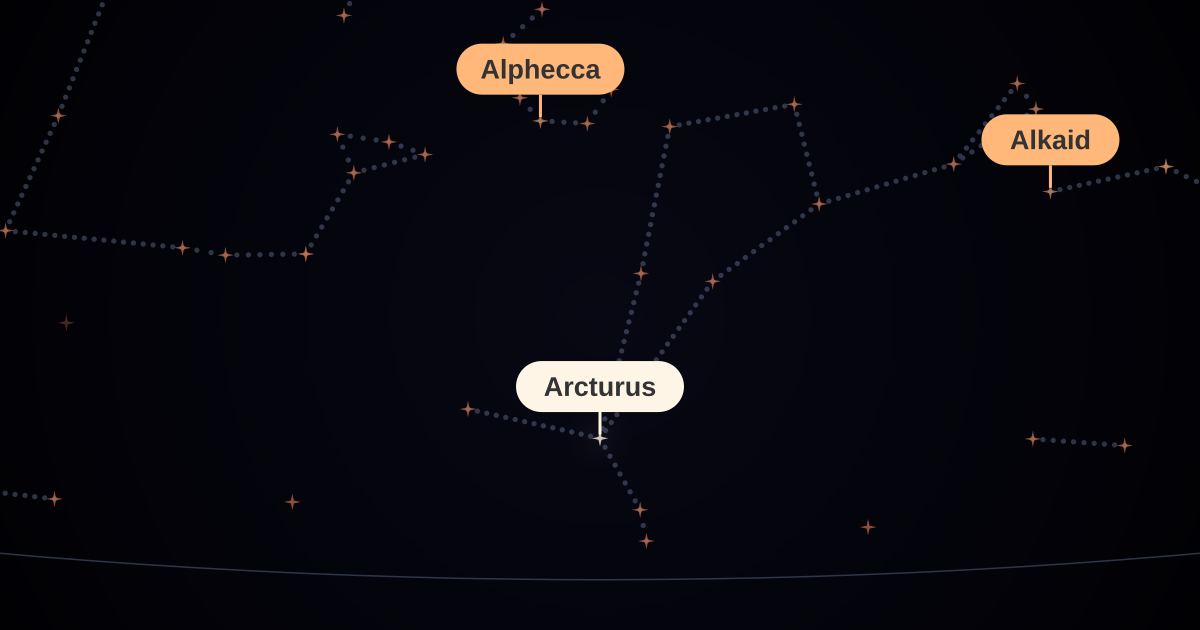
9 certified dark-sky places in the United States to see the Milky Way, from the deserts of the Southwest to the forests of Pennsylvania.
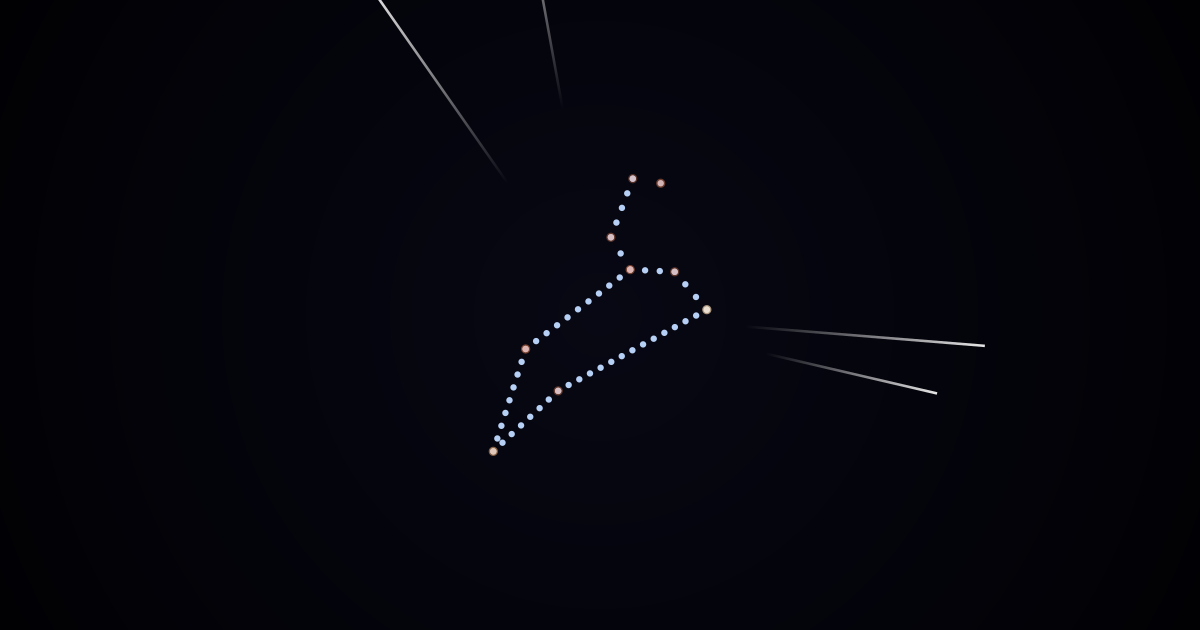
The Leonids peak on the night of November 17 to 18, 2026. The Moon sets near midnight, so the hours before dawn are best. When to look, where, and how.
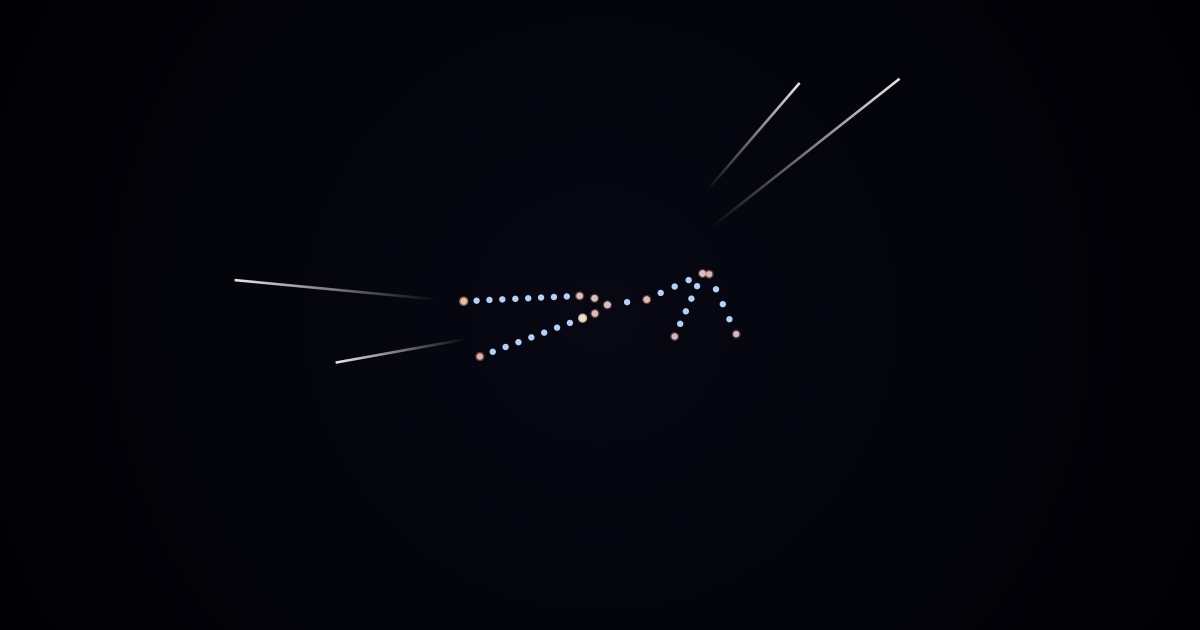
The Southern Taurids peak on November 5, 2026, the Northern Taurids on November 12. Both peaks have a dark sky. When to look for their slow fireballs.
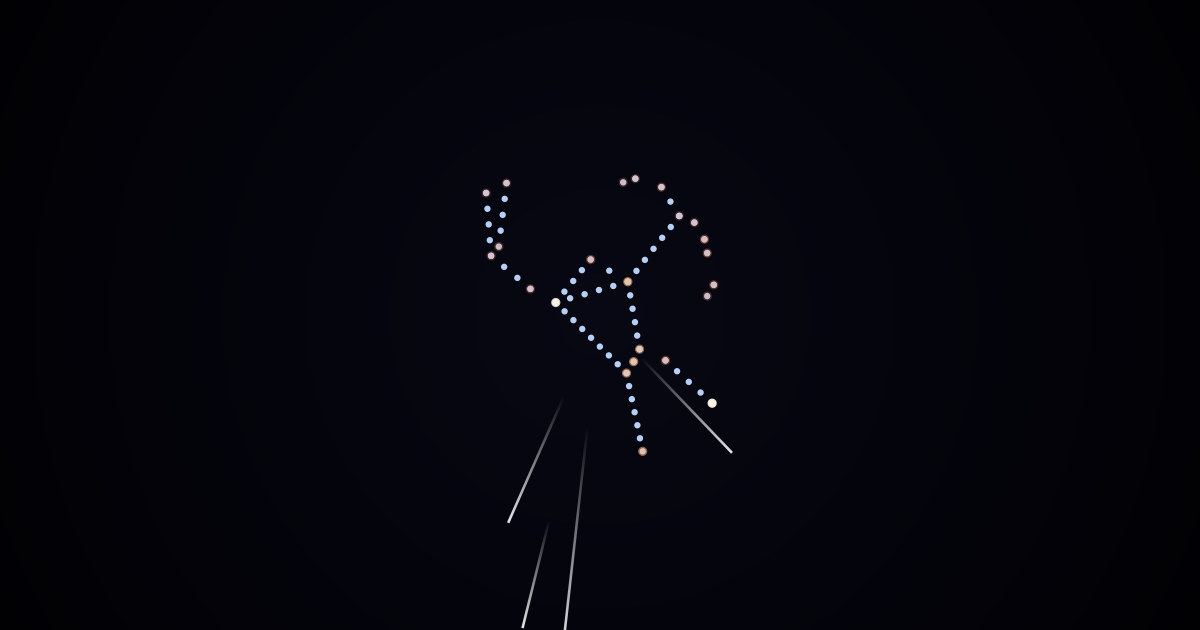
The Orionids peak on October 21, 2026. A bright Moon lights the evening, so the best hours come before dawn. Here is when to look, where, and how.
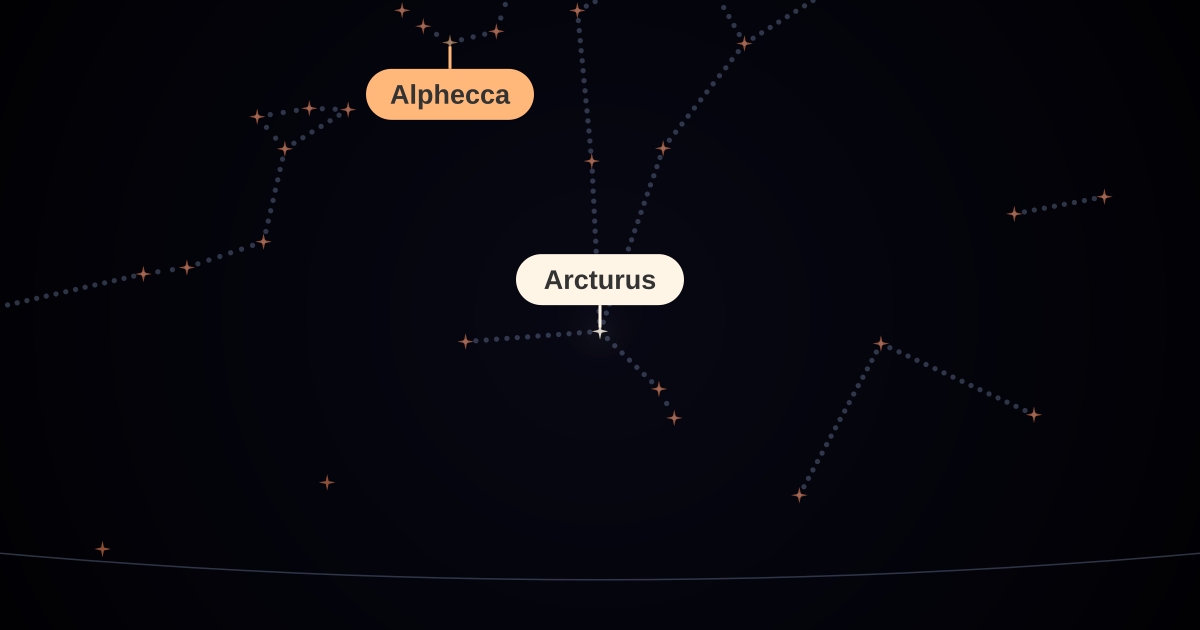
12 dark-sky places in Europe to see the Milky Way: dark-sky parks and reserves from Ireland to the Carpathians, the Canary Islands and the Arctic.
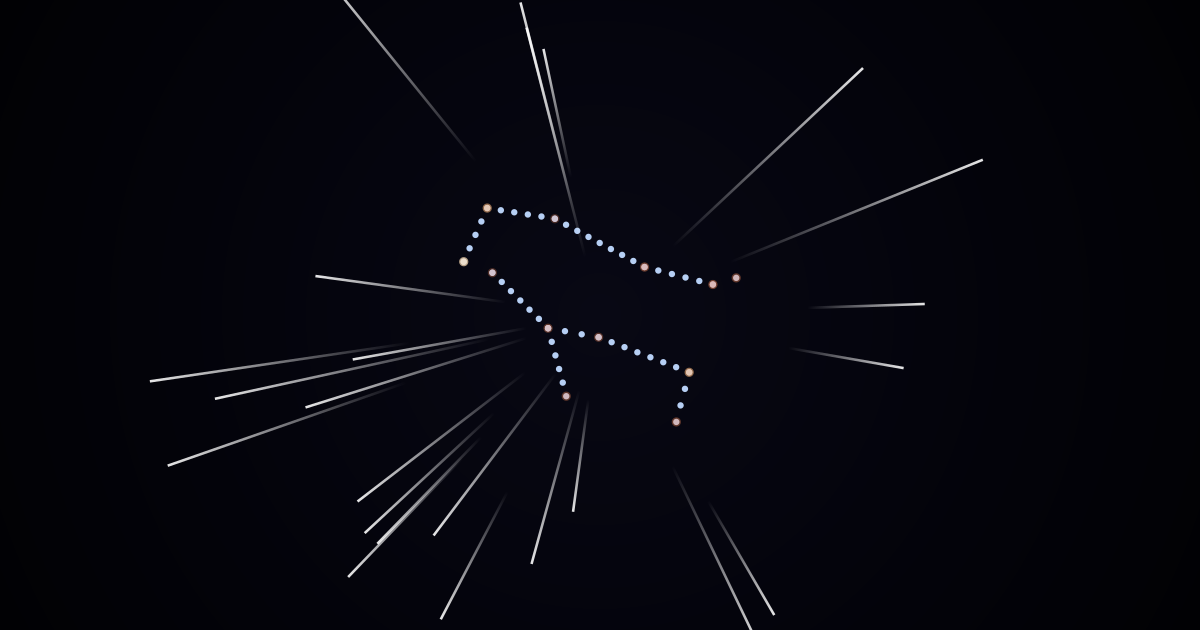
The Geminids peak on December 14, 2026. The Moon is a thin crescent that sets in the evening, so the late night is dark. Here is when to look, where, and how.