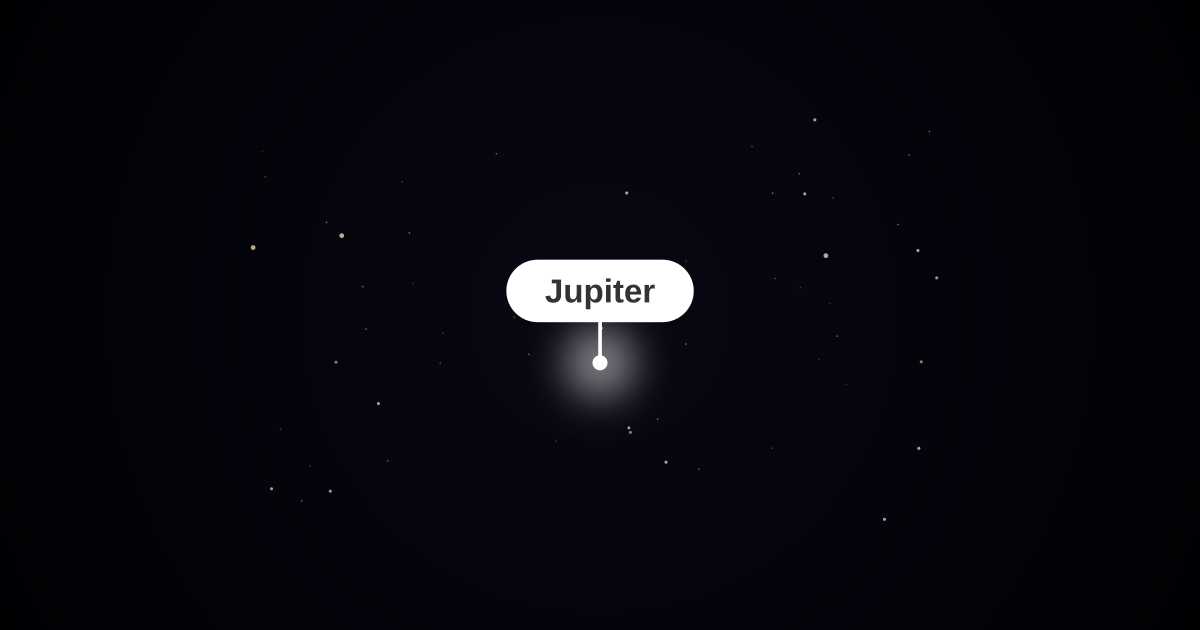
Jupiter at opposition 2027: see its moons with binoculars
Jupiter reaches opposition on February 11, 2027, at about 00:30 UTC. In the Americas, that is still the evening of February 10. At opposition, Earth is between Jupiter and the Sun. So Jupiter rises at sunset, is up all night, and is at its brightest of the year.
It is at magnitude -2.6, brighter than any star. You cannot miss it.
When to look
Jupiter rises in the east at sunset. It is highest near midnight.
The Moon is a thin crescent near opposition, about 18% lit. It sets in the evening, so it does not get in the way.
You do not need to look on the exact night. Jupiter looks almost the same for weeks before and after. Any clear night in February is good.
Where to look
Jupiter is in Leo. Look east in the evening, or south near midnight. From the south of the world, look north near midnight. It is the brightest point of light in that part of the sky. It does not twinkle like a star.
See Jupiter on the live sky map, from your place, at the best time to look.
What you can see
- With your eyes: a very bright, steady point of light.
- With binoculars: up to 4 small points of light in a line next to Jupiter. These are its 4 big moons: Io, Europa, Ganymede and Callisto. Hold the binoculars still, or rest them on a wall. The moons move from night to night.
- With a small telescope: 2 dark bands across the planet.
- With a bigger telescope: on a steady night, you may see the Great Red Spot. It is a storm about 2 times as wide as Earth.
Mars is close by
Mars reaches its own opposition 8 days later, on February 19. Both planets are in Leo, about 12 degrees apart. Between them is Regulus, the brightest star of Leo. Read more on the Mars opposition page.
How far away it is
On February 10, Jupiter is at its closest to Earth this year, about 652 million km away. Its light takes about 36 minutes to reach you.
More sky guides
Quadrantids 2027: the short, strong meteor shower of January
The Quadrantids peak on January 4, 2027, at about 03:20 UTC. The peak is short, and the Moon is a thin crescent. Who gets the best view, and when to look.
The Christmas Eve full Moon 2026, the closest of the year
The full Moon of December 24, 2026 is the closest of the year, 356,738 km away. It looks a little bigger and brighter than usual. When to see it rise.
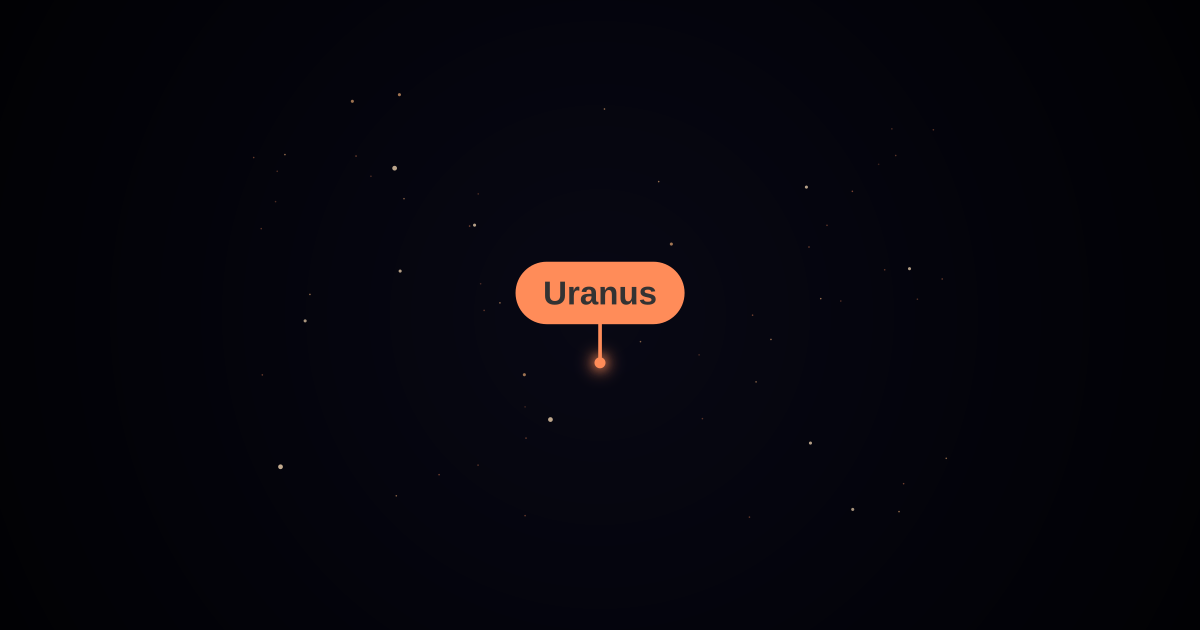
Uranus at opposition 2026: how to find the green-blue planet
Uranus reaches opposition on November 25, 2026, near the Pleiades. A full Moon is close that week, so early December is best. How to find it in binoculars.